
Grid Connections Are Becoming the Real Solar Bottleneck
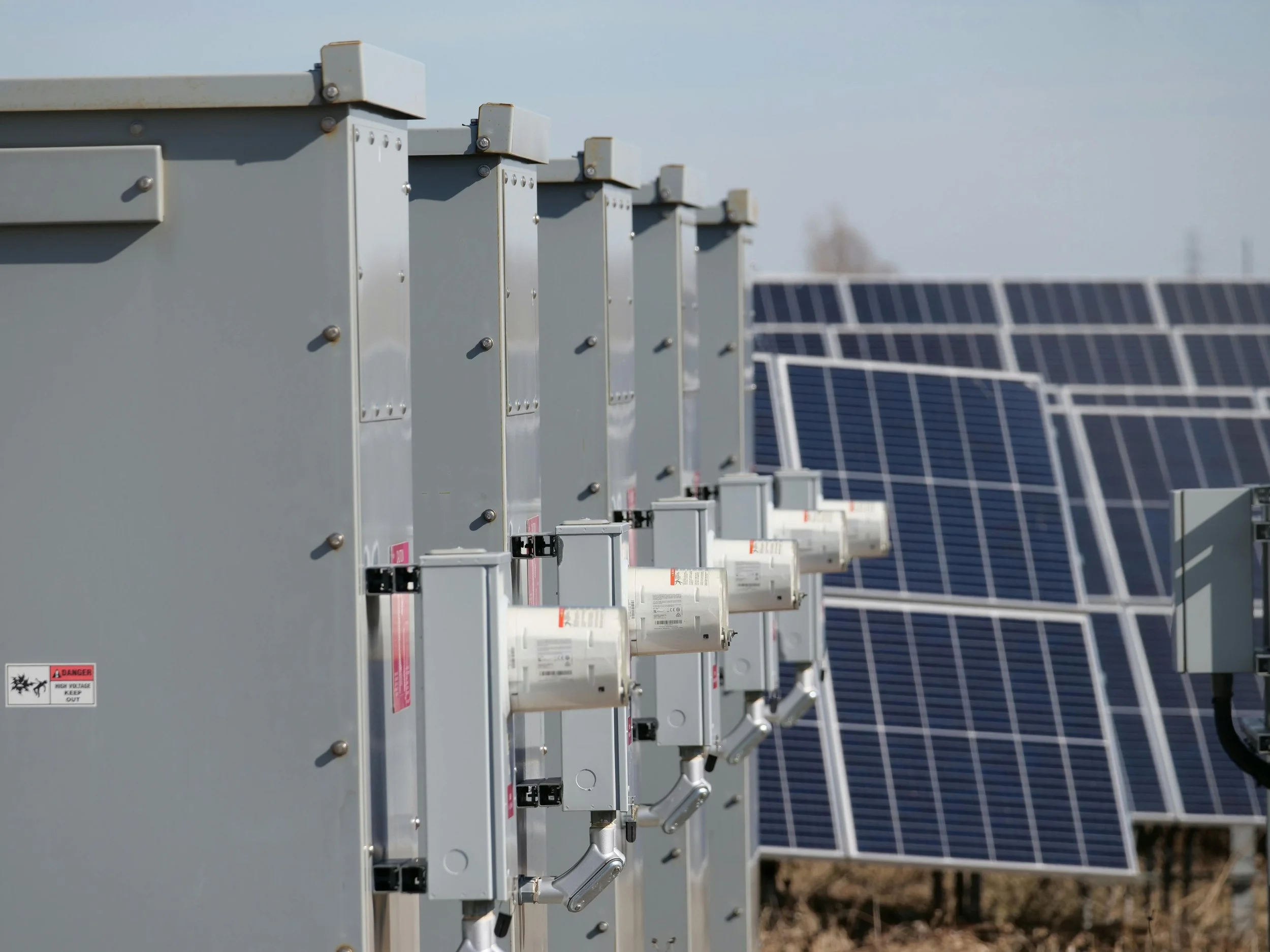
The connection process is changing
Solar PV and battery storage projects can look strong on paper. A site may have a suitable roof or land area, good energy demand, a clear commercial objective and a client ready to move forward.
But if the grid connection assumptions are weak, the project can quickly become difficult.
Grid access is now one of the most important project risks in the UK energy transition. A solar design is not only about how many modules fit on a site. It also needs to consider how the system connects, what export is assumed, what the DNO position may be and whether the electrical design supports the project route.
For developers, EPCs, installers, consultants and commercial clients, grid assumptions should no longer be treated as a later-stage detail. They should shape the project from the beginning.
The connection process is changing
Great Britain’s grid connection process has been under pressure for several years. The project queue grew far beyond what the system could practically accommodate, with many projects holding queue positions even when they were not ready to build.
NESO’s grid connection reform is designed to move the system away from a simple first-come, first-served queue and towards a pipeline that gives greater priority to projects that are more developed and aligned with future system needs.
That is a major shift for renewable energy project teams.
It means technical readiness, evidence and project maturity matter more. A project needs more than a good idea and an attractive capacity figure. It needs a credible route to connection, a clear design basis and a stronger understanding of the assumptions that affect deliverability.
Reference: NESO connections reform
Grid assumptions affect project value
Grid connection issues can change almost every part of a solar or battery project.
They can affect:
System size
Inverter capacity
Export limitation
G98, G99 or G100 requirements
Protection settings
Cable routes
Point of connection
Battery strategy
Yield and savings assumptions
Programme risk
Commercial viability
A project may begin with a target capacity, but the available connection may support something different. A design may assume export is possible, while the local network position may require export limitation. A battery may be proposed as a commercial improvement, but its value depends on the site demand, export conditions, tariff structure and operating strategy.
This is why grid context should be reviewed before a project is priced, approved or pushed into detailed design.
A clean layout is not enough
A solar layout can look impressive and still be technically weak.
A drawing may show a high-capacity system, tidy module placement and a good visual proposal. But if the grid assumptions are unclear, the project may still carry significant risk.
Project teams should be cautious where a proposal does not explain:
The assumed point of connection
Whether export is allowed, limited or restricted
The relevance of G98, G99 or G100
Existing electrical infrastructure and available capacity
How the system connects to the site supply
Whether the inverter capacity matches the connection strategy
Whether the battery is designed around a clear operating purpose
What assumptions still need to be confirmed
These gaps do not always mean the project is poor. They mean the decision is not yet fully informed.
This is where an independent technical review can help. Nortcel’s Independent Solar Design Risk Review is designed to test design, yield, sizing, export, battery and electrical assumptions before a project moves too far forward.
Grid reform makes early project evidence more important
Connection reform is intended to make the queue more realistic, but it also raises the standard for project information.
A project that is genuinely ready should be able to show that key assumptions have been tested. This may include site control, planning position, design basis, grid information, export strategy, electrical documentation and stakeholder readiness.
For commercial and industrial solar projects, even relatively small grid details can affect the proposal. The difference between no export, limited export and full export can change system sizing, savings and payback.
For larger projects, the grid position can shape the entire development route. Land layout, cable routing, inverter location, point of connection, planning information, tender packages and investment discussions all need to align.
Nortcel’s Project Development Support helps project teams review these questions before the project becomes design-heavy or commercially locked in.
What project teams should check before committing
Before a solar PV or battery project moves too far forward, the following items should be reviewed.
Existing electrical information
The existing supply, metering arrangement, distribution boards, main connection point, available capacity and any existing generation should be understood as early as possible.
Point of connection
The proposed connection point should be identified and tested against the project route. A system may look viable in layout form but become difficult if the connection route is impractical.
Export assumption
Every proposal should make the export position clear. Is the project based on full export, limited export, zero export or export control?
DNO status
Any DNO correspondence, application status, connection offer or known network constraint should be reviewed before the design basis is treated as reliable.
System size versus connection capacity
The largest physical layout is not always the best technical solution. System size should respond to energy demand, export potential, grid context and commercial objectives.
Battery interaction
If battery storage is included, the design should explain whether the battery supports self-consumption, peak reduction, export management, EV charging, resilience or another defined use case.
Single line diagram
A clear single line diagram should show how the system connects electrically, what protection is included and how the PV or battery system relates to the existing electrical infrastructure.
Information gaps
The project team should know what is confirmed, what is assumed and what needs further evidence before approval or procurement.
Grid constraints should shape better projects
Grid constraints are not only obstacles. They are design inputs.
When grid assumptions are handled early, teams can make better decisions. They can test whether the proposed system size is realistic, whether export control is required, whether battery storage adds value and whether the project should proceed, pause or be revised.
Good solar and battery projects are not only about generation. They are about integration.
The strongest projects will be those that bring site conditions, energy demand, grid context, electrical design and commercial assumptions together before commitments are made.
Before approval, check the grid assumptions
Before approving a solar PV or battery project, it is worth asking whether the connection route, export position and electrical assumptions have been properly tested.
Need clearer grid and connection assumptions before a project moves forward?
Nortcel supports developers, EPCs, installers and commercial energy teams with solar PV design, grid-aware technical review, export assumption checks and project development support.
