
Develop renewable energy projects with stronger technical direction
Nortcel helps project teams test renewable energy opportunities before major commitments are made, reviewing site data, demand, grid context and constraints to support clearer decisions and lower development risk.

⛨ Remote development engineering for solar PV, BESS, EV charging, hybrid systems .DEVELOPMENT ENGINEERING BEFORE EPC DELIVERY
Strong projects need a technical basis before procurement, detailed design or construction begins. Nortcel helps define the architecture, assumptions and handover logic early, so EPC delivery starts from a clearer reference point.
Define the project architecture before decisions are locked in


Independent architecture before supplier lock-in
Define the PV, BESS, EMS, generator, inverter strategy before the project becomes shaped by a single contractor, supplier or product platform.
A common EPC reference basis
Create a clear technical reference so EPCs, suppliers and stakeholders are pricing against the same design intent rather than changing assumptions.
Technical continuity through implementation
Protect the operating and commercial logic of the project as it moves from early development into EPC detailed engineering and delivery.
PROJECT TYPES WE SUPPORT
Development support for complex renewable energy opportunities
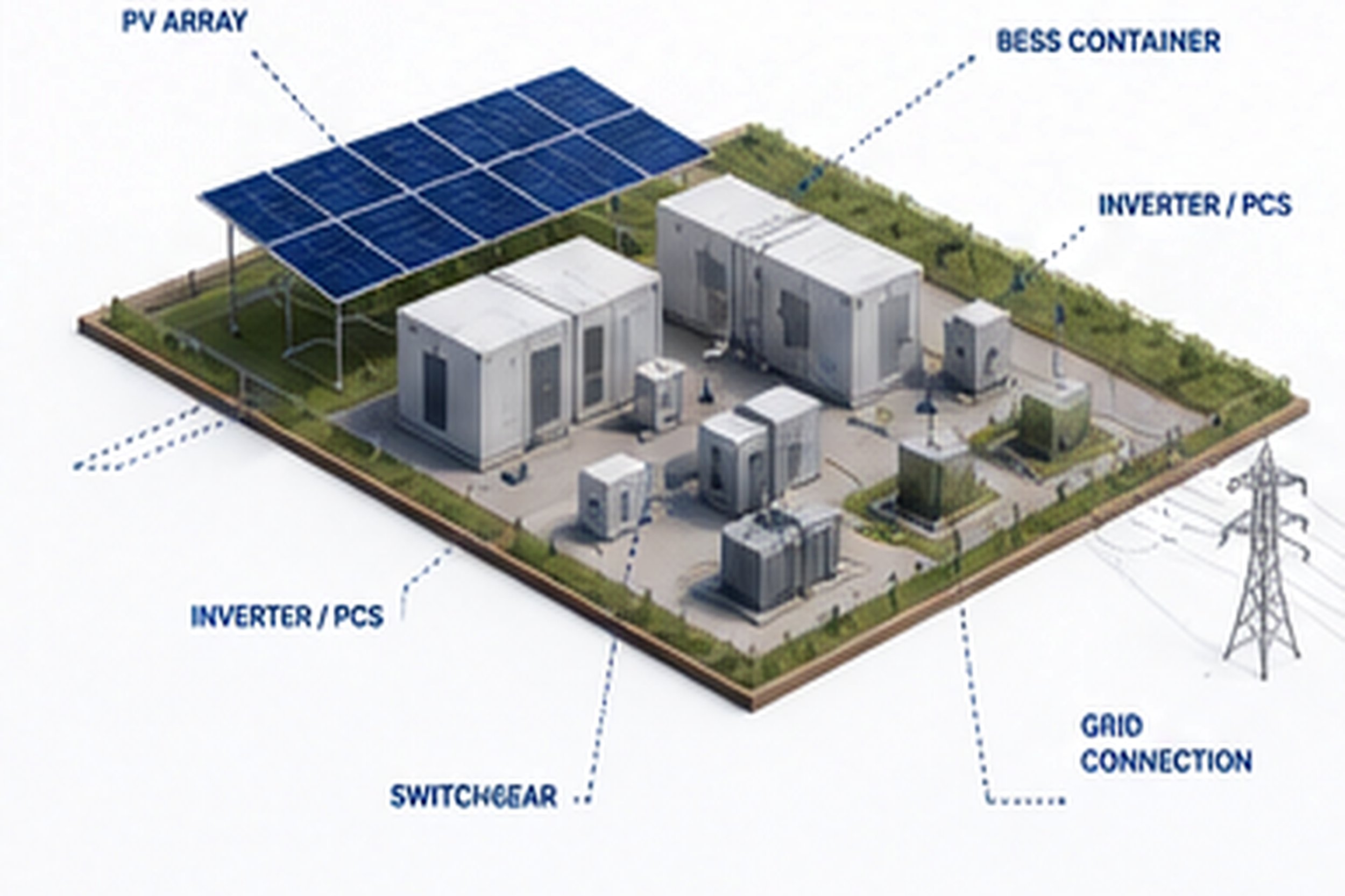
Nortcel supports early-stage opportunities where technical direction, system architecture, modelling and EPC handover quality matter.
-
Rooftop solar and battery compounds
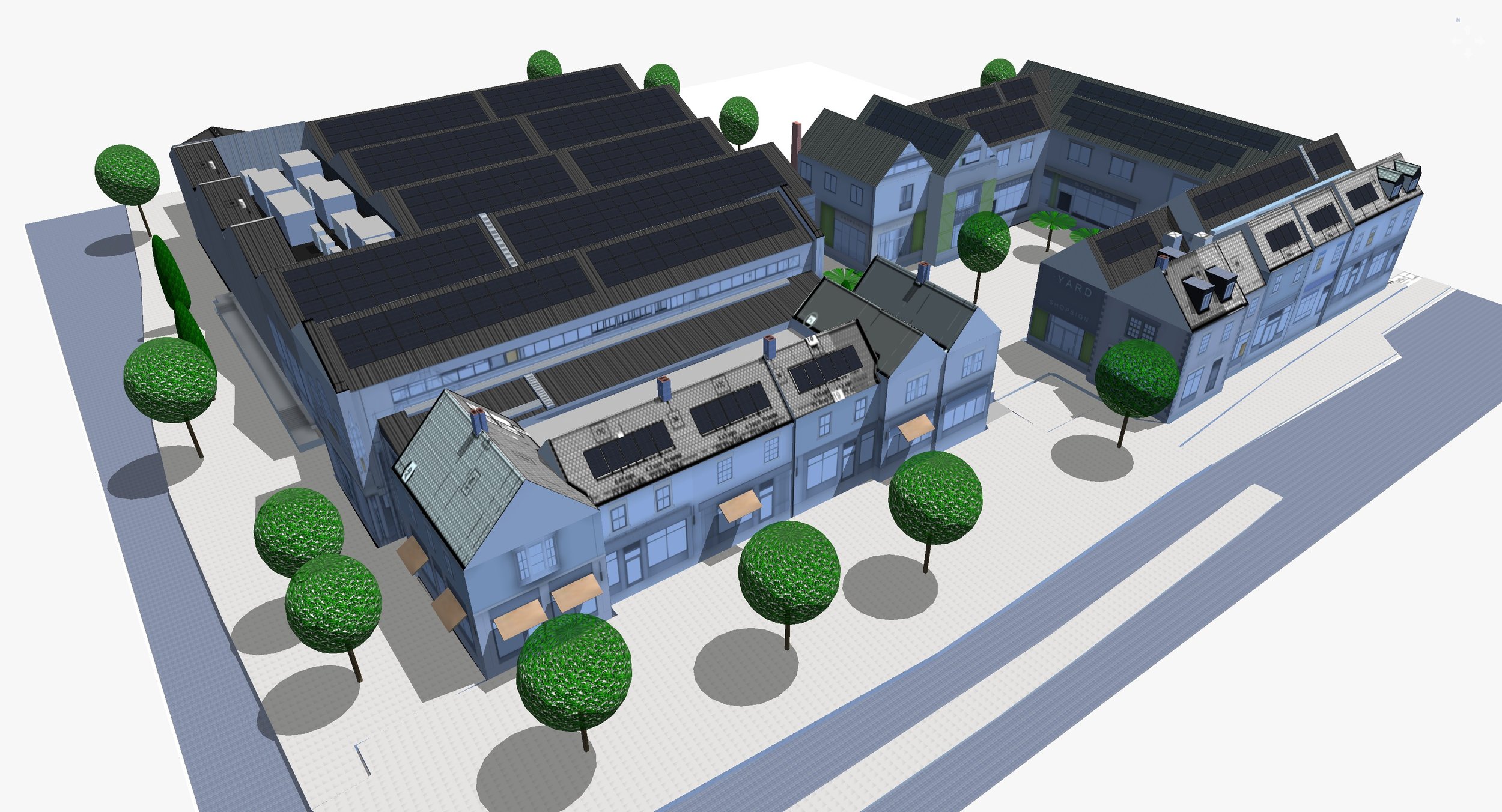
Multi-building rooftop projects where roof eligibility, structural limitations, access, plant congestion, cable routes and BESS location shape the real opportunity.

-
Ground mount and land opportunities
Land-led projects where developable area, access, drainage, grading, environmental sensitivity, grid position and layout logic must be screened early.

-
Battery storage and PCS strategy
Projects where storage value depends on power, energy capacity, reserve, usable SOC, thermal management, PCS assumptions and dispatch logic.
-
EV charging and future load growth
Opportunities where future demand, fleet charging, building expansion, operational change or electrification could affect system sizing and grid strategy.

-
Off-grid hybrid power transitions
Diesel-supplied or weak-grid sites where PV, BESS, retained generators, EMS and operational resilience must work as one coordinated system.
-
Grid-connected energy optimisation
Sites where self-consumption, export limits, tariff structure, peak demand, battery operation and grid interaction affect the commercial case.
STAGE 1 - CONCEPT DEVELOPMENT
Stage 1 tests whether the project has a credible route, how it should be structured and what is needed before EPC pricing or approval.
Turn early opportunity into a decision-grade concept basis

Data intake and baseline setup
Collect drawings, imagery, load data, generator information, tariffs, site constraints and client objectives into a controlled assumptions register.

Site intelligence and constraint mapping
Review roof or land availability, boundaries, access, setbacks, plant areas, sensitive receptors, visible infrastructure and areas to avoid.

Load, tariff and generator review
Assess consumption behaviour, cooling and peak demand, export position, generator constraints and operational rules where relevant.
Concept PV, BESS and hybrid sizing
Develop early capacity, layout, battery, PCS, generator-retention or technology-mix assumptions that can be tested before deeper engineering.
EMS, SCADA and control philosophy
Define how generation, storage, export, generator support, alarms, metering, monitoring and control hierarchy may need to work together.

Risk, assumptions and Stage 2 route
Issue the key risks, data gaps, assumptions and recommended pathway into preliminary engineering, tender preparation or further review.
STAGE 2 - PRELIMINARY ENGINEERING
Create the technical basis for EPC pricing and detailed design
Stage 2 turns the concept into a preliminary engineering package for pricing, procurement, localisation and detailed design.
Preliminary layout package
Develop structured PV, BESS, inverter, transformer, equipment, access and layout assumptions suitable for technical review and EPC transition.
Electrical architecture and SLD basis
Prepare preliminary electrical architecture, SLD basis, interconnection logic, protection philosophy and major system interfaces.
BESS safety and fire access basis
Review preliminary BESS spacing, emergency access, isolation, clearances, fire strategy assumptions and local authority review requirements.
Cable routes and physical integration
Define cable route assumptions, trenching logic and the physical integration between renewable assets and existing infrastructure.

Equipment schedules and BOQ logic
Prepare preliminary schedules, quantities, specification basis and procurement assumptions for supplier discussion and EPC pricing.
EPC handover and tender basis
Package drawings, assumptions, schedules and risk items into a coherent basis for EPC tender, local design and procurement.
INPUTS, CONSTRAINTS AND TECHNICAL DIRECTION
Nortcel looks beyond headline capacity to test whether the site, demand, grid route, constraints and commercial case can realistically progress.
A practical review of the factors that shape project feasibility
-
Site and physical constraints
Roof or land availability, boundaries, access, plant, obstructions, setbacks, shading, environmental conditions, drainage and maintenance routes.
-
Energy demand and operation
Half-hourly data, bills, load profile, baseload, peak demand, seasonal variation, cooling demand, occupancy and operational behaviour.
-
Grid, export and interconnection route
Existing supply information, point of connection, export assumptions, SLDs, DNO or utility position, voltage levels and capacity limitations.
-
Planning, permitting and stakeholders
Planning sensitivity, owner approvals, authority requirements, land or roof exclusions, public-sector needs and stakeholder information requirements.
-
Technology and architecture options
Solar PV, BESS, PCS, EMS, SCADA, EV charging, inverter strategy, mounting implications, generator integration and hybrid operating logic.
-
Commercial and procurement readiness
Target capacity, CAPEX assumptions, supplier preferences, programme pressure, procurement strategy, tender needs and pricing information quality.
Have a renewable energy opportunity to test?
Send us the project details, and we will help define the technical route, key risks, and next steps before the project moves further forward.
STRUCTURED DEVELOPMENT PROCESS
A clear route from opportunity to next step
-

Project brief and objectives
Share site details, drawings, roof information, half-hourly data, bills, operational notes and known constraints.
-

Data intake and gap check
We review drawings, imagery, bills, half-hourly data, electrical information and missing inputs.
-

Technical screening and modelling
We test feasibility, layout direction, storage value, grid position, constraints and key risks.
-

Development assumptions& route
We define the assumptions, information needs and recommended route into design, tender, grid or review.
-

Action plan and handover
Receive a clear output for stakeholder decisions, EPC pricing, grid preparation or detailed design.
THE NORTCEL ADVANTAGE
Better development decisions without a full internal team
Nortcel gives project teams flexible renewable energy engineering support when opportunities move faster than internal resources.





Faster project screening
Review more opportunities without overloading senior engineers, designers or commercial teams.
Cleaner pricing and EPC basis
Give EPCs and suppliers a clearer technical reference before pricing or procurement.
Reduced development risk
Identify constraints, data gaps and unrealistic assumptions before they become redesign or approval problems.
Specialist hybrid energy insight
Bring solar PV, BESS, generator, EMS, SCADA, grid and energy-analysis into the early project stage.
Flexible technical capacity
Scale support up or down as opportunities progress, pause, change priority or require deeper review.
Stronger stakeholder confidence
Support client, investor, board or public-sector discussions with clearer technical evidence.
Frequently asked questions
░
-
No. Solar PV is one of Nortcel’s strongest areas, but this service can also support battery storage, EV charging, hybrid power concepts, EMS-led control strategies, energy analysis and broader clean energy opportunities.
-
Bring Nortcel in when the opportunity exists but the technical route is not yet clear. This is usually before detailed design, formal EPC pricing, grid applications, planning work, procurement or investment decisions.
-
Stage 1 tests the opportunity and creates the concept basis. Stage 2 develops the concept into a preliminary engineering and EPC reference package that can support pricing, tendering, local design and stakeholder review.
-
Yes. Rooftop projects usually need roof eligibility, structural, access and cable-route review. Ground-mount projects usually need land, boundary, access, drainage, grading, environmental, grid and layout screening.
-
Yes. Nortcel can review PV, BESS, PCS, EMS, SCADA, generator retention, dispatch assumptions, storage value, control philosophy and system integration at the development and preliminary engineering stage.
-
Useful inputs include site address, drawings, boundaries, roof plans, photos, drone imagery, energy bills, half-hourly data, SLDs, grid information, generator data, commercial objectives, preferred suppliers and known constraints. We can also start by identifying what is missing.
-
No. Nortcel can define the architecture and preliminary basis, but local detailed engineering, statutory compliance, procurement, installation, commissioning, HSE and warranties normally sit with the appointed EPC or local delivery partner.
-
Yes. The output can support proposal development, budgetary pricing, EPC tender discussions, grid preparation, planning discussion, owner approval, investor review or handover into detailed design.

Have a renewable energy opportunity to test?
Send us the site information, drawings, energy data, commercial aims or known constraints. Nortcel will help define the technical route, key risks, stage requirements and next steps before the project moves further forward.