Solar Design support for larger solar projects
Nortcel supports utility-scale, ground-mount and hybrid PV projects with layout strategy, performance modelling, technical assumptions and design documentation for feasibility, planning, tender and delivery.
⛨ Land-aware and stakeholder-ready support for developers, EPCs, and project teams.THE PROBLEM WE SOLVE
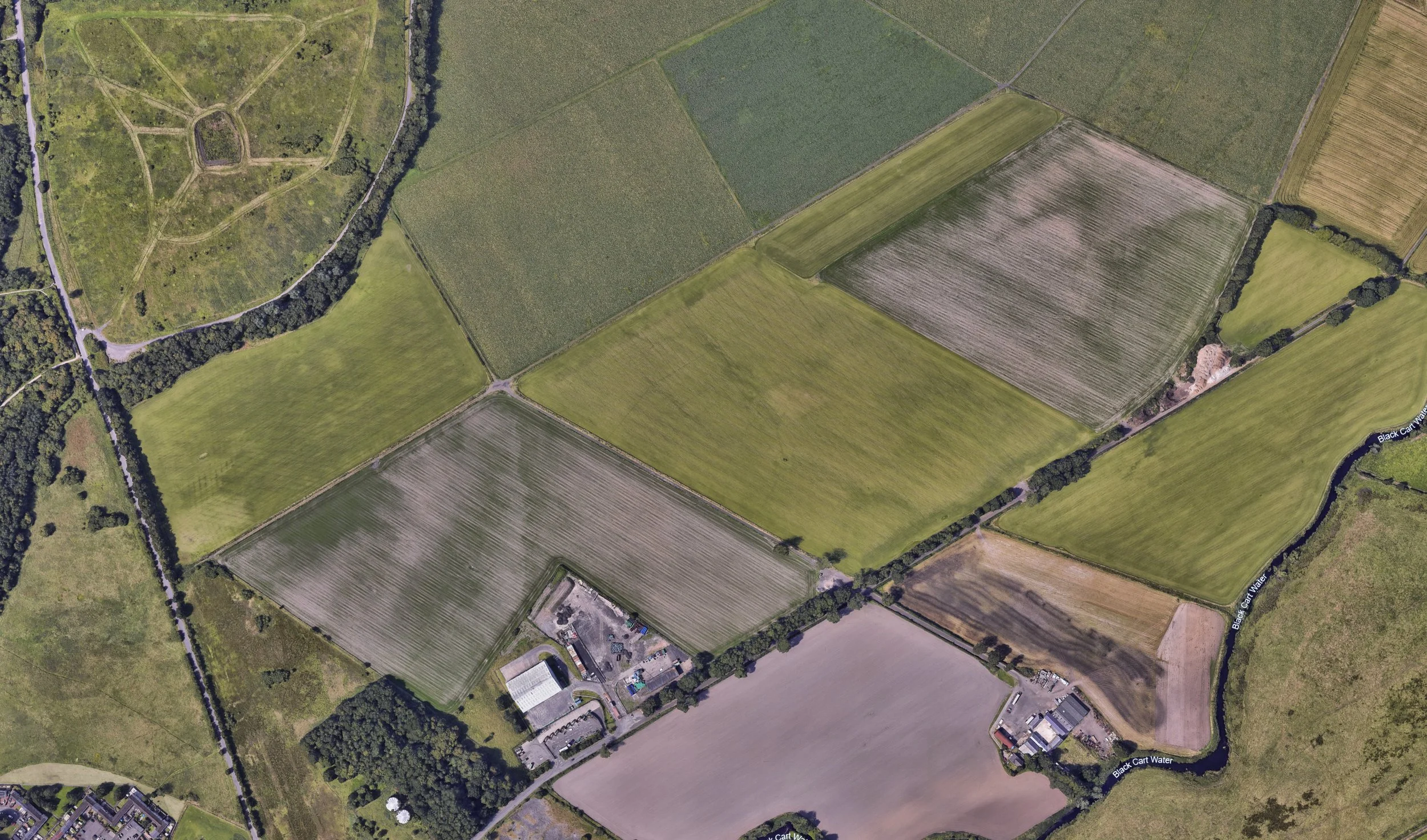
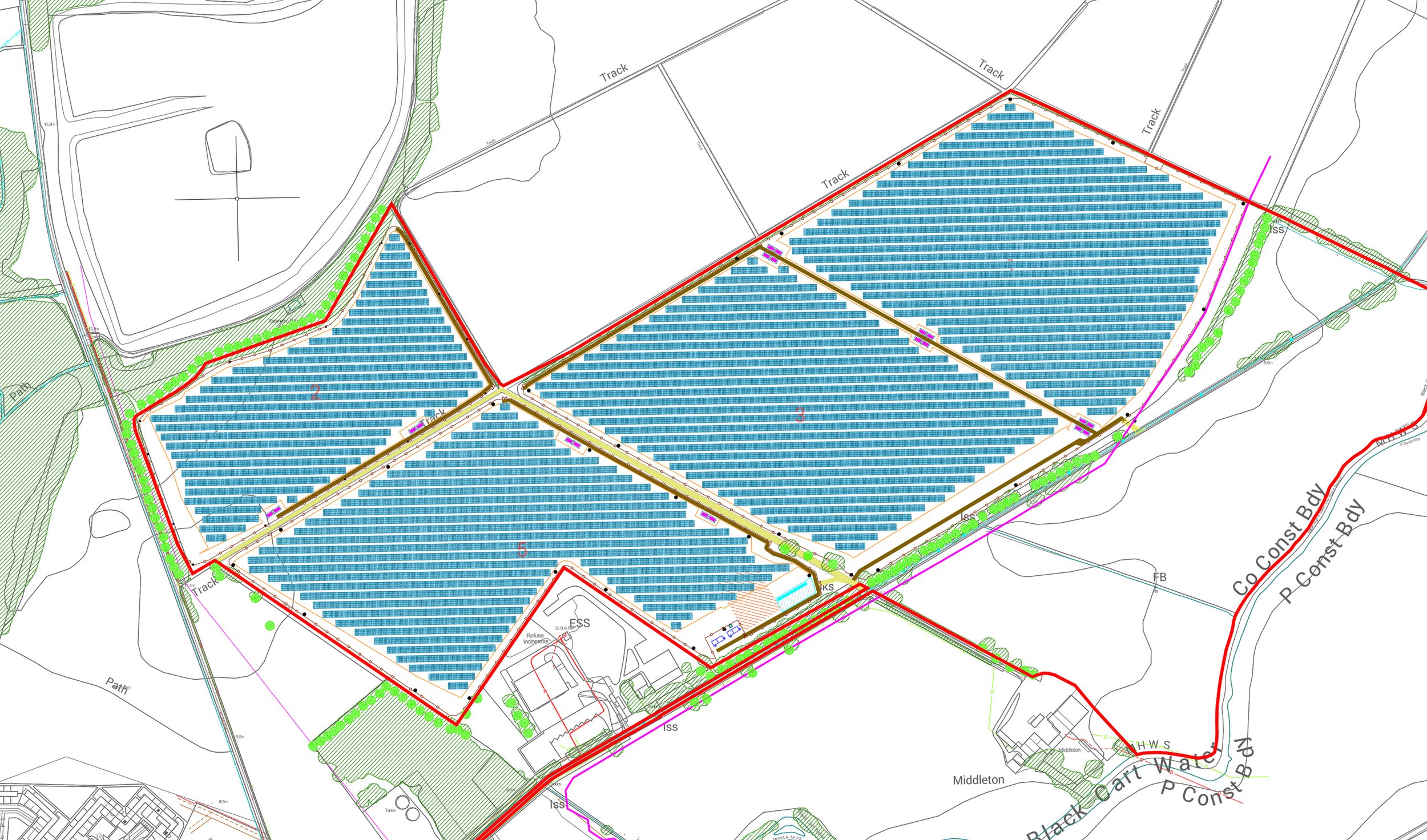
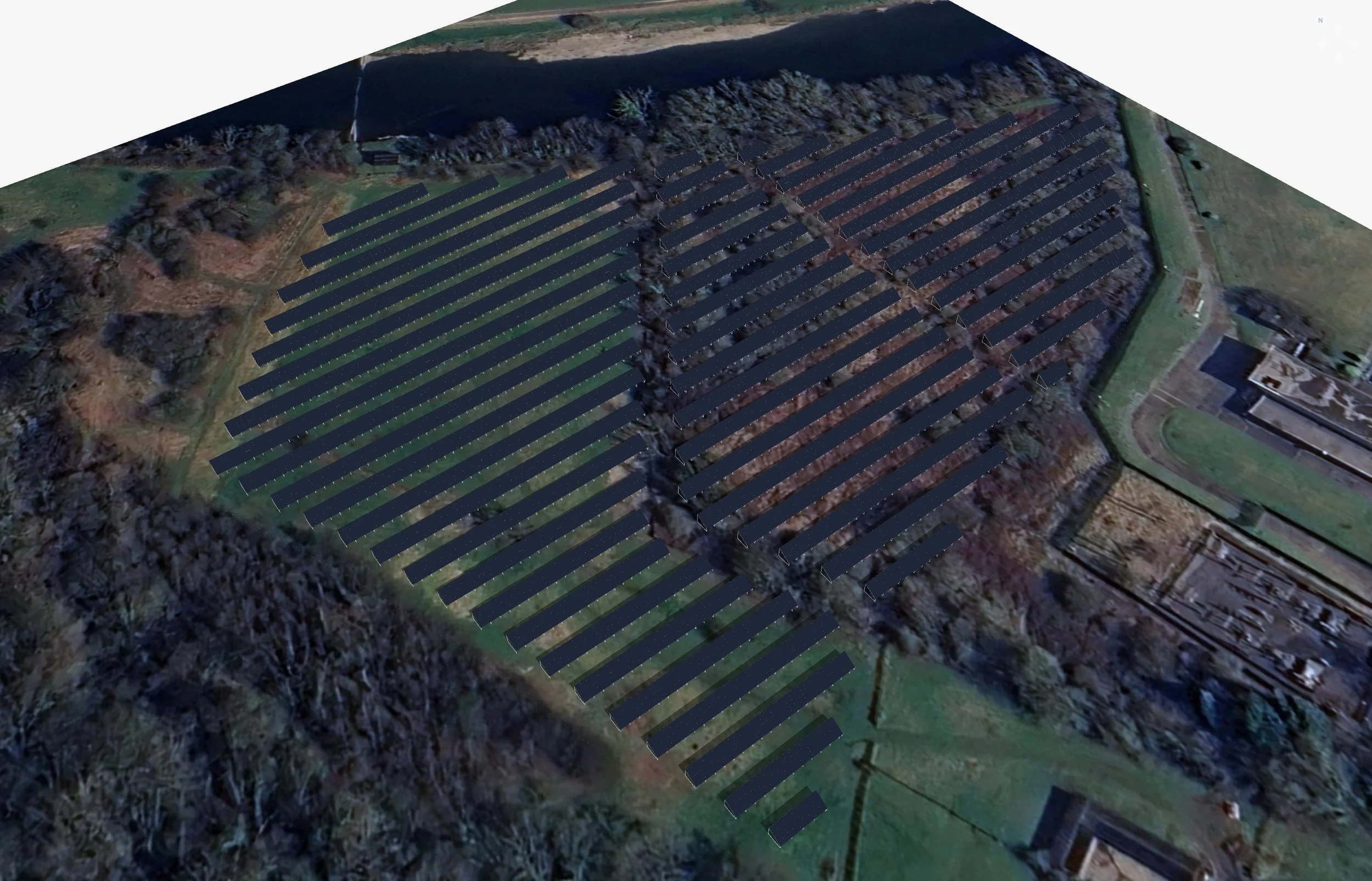
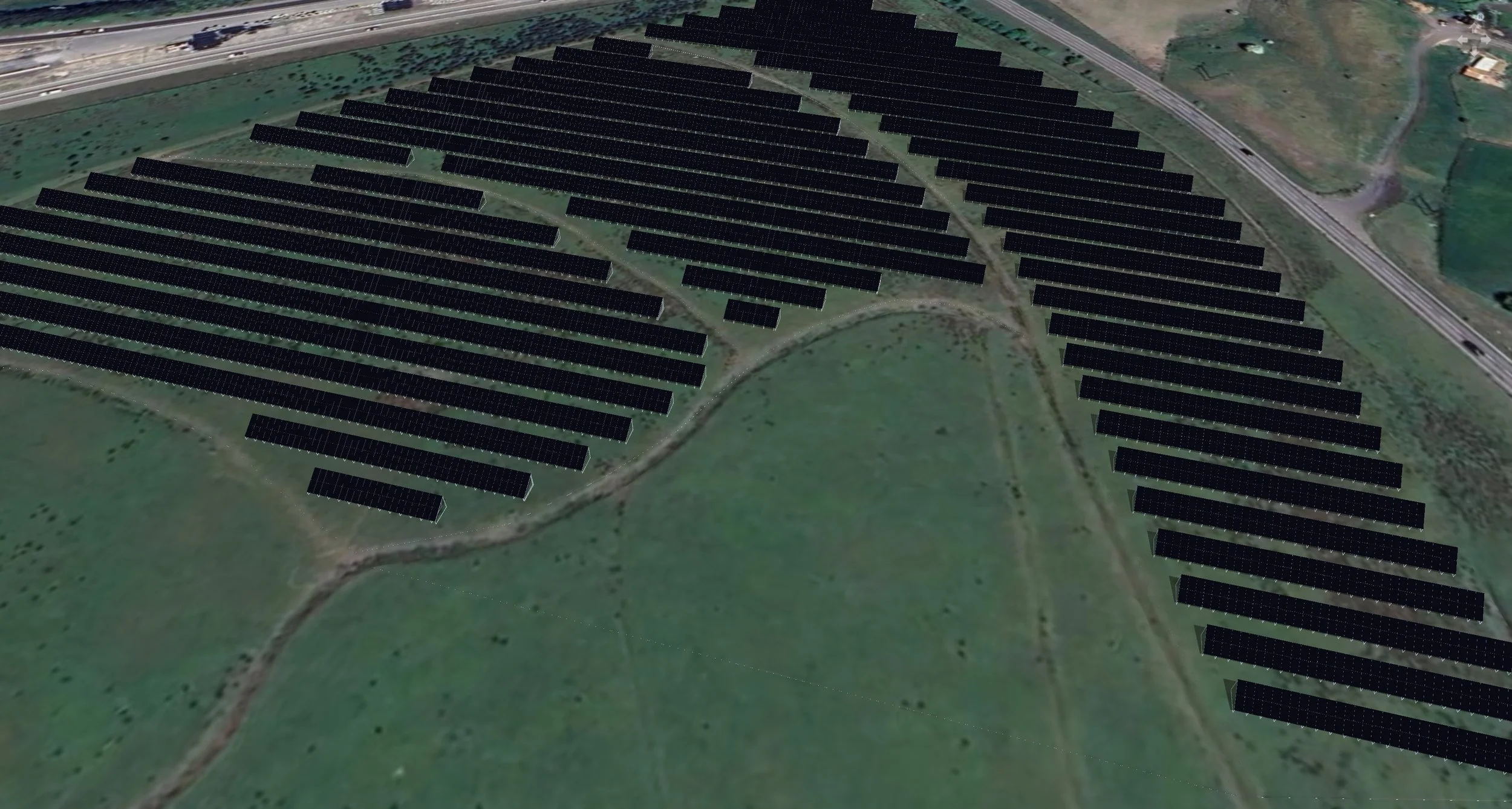
Large solar projects should not be based on land area alone. Usable land, grid context, access, setbacks, row spacing, cable routes and planning constraints can all change the project direction.
Large solar projects need clearer assumptions before decisions are locked in


Land constraints change capacity
Boundaries, setbacks, slope, drainage, access routes, environmental exclusions and buildable area can all change the realistic layout and capacity.
Grid assumptions affect project value
Point of connection, export limits, DNO requirements and connection context can shape system size, phasing and commercial direction.
Planning packages need evidence
Planning, investor and EPC discussions are stronger when layouts, constraints, levels, access and equipment assumptions are structured and visible.
PROJECT READINESS
Larger solar projects succeed when land, grid, layout and infrastructure assumptions align
Nortcel turns early site information into practical design direction, helping project teams build clearer layouts, stronger assumptions and better evidence for planning, tender, investor review and the next development stage.
WHAT WE SUPPORT
Nortcel supports larger solar and hybrid projects from early site screening through concept layout, mapping, performance modelling, BESS coordination, planning information, stakeholder review, tender preparation and development stage revisions.
Utility scale and hybrid project design support across the project route
-

Land opportunity screening
Early review of usable land, boundaries, setbacks, access, exclusions and information gaps before detailed design begins.
-

Mapping and site plan support
Support for base mapping, site location plans, option plans, existing site plans and proposed layout information where required.
-
PV layout and string strategy
Layouts developed around PV arrays, table configuration, row spacing, inverter loading, cable routes and buildable zones.
-
Ground mount layout strategy
Concept layouts developed around row spacing, orientation, access, inverter placement, cable routes and realistic buildable zones.
-

Performance and yield basis
Design assumptions shaped around PV capacity, BESS capacity, yield modelling, inverter strategy, losses, clipping and export conditions.
-
Grid and connection context
Design direction that considers point of connection information, export assumptions, DNO context and electrical routing requirements.
-

Planning, tender and project development support
Clear technical information for EPC pricing, planning discussion, investor review, landowner review, FEED support and internal project governance.
-
Battery storage and hybrid system coordination
Design support for BESS zones, battery capacity assumptions, inverter technology, hybrid configuration and future expansion.
DESIGN SUPPORT BY PROJECT STAGE
Utility-scale projects move through different decision stages. Nortcel structures design support around the work needed now, from early screening to concept design, planning, tender and development-stage revisions.
Choose the right design stage for the project route ahead
-

SITE SCREENING
Feasibility Level
First-pass review of land, constraints, access, grid context and available information to test whether the opportunity has a practical route forward.
Outputs
Boundary & usable land review
Indicative capacity
Initial layout direction
Constraint notes
Information gaps
-

CONCEPT DESIGN
Planning and Investor Review
Development of a concept layout and design for sites that need capacity, row spacing and performance assumptions before the next project stage.
Outputs
Concept layout
Yield basis
Row spacing review
Inverter strategy
Export assumptions
-
PLANNING SUPPORT
Planning and Development
Technical layouts, assumptions and supporting information prepared for EPC pricing, planning, grid coordination and development-stage review.
Outputs
Tender layout
Design assumptions
Electrical inputs
Cable route assumptions
Coordinated revisions
DESIGN SERVICES
Nortcel can support a single design task or a wider utility-scale design package, depending on the project stage, agreed scope and information available.
Our utility scale solar design service can include
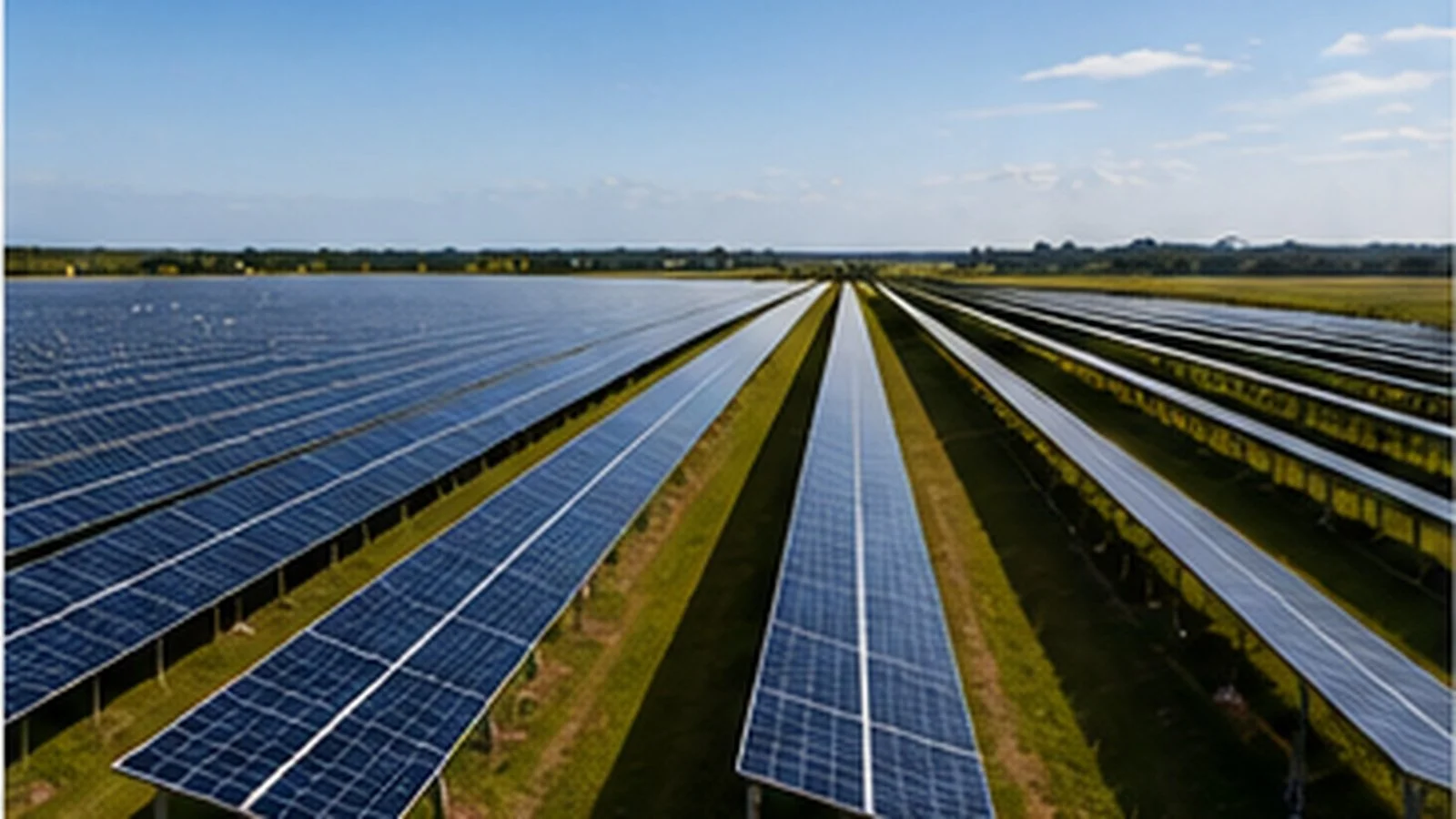

PV layout and string-level design
Proposed PV layout with developable areas, table configuration, inverter loading, string approach and cable routing assumptions.

Capacity and yield reporting
PVcase style outputs, capacity summaries, table data, MW per area, solar resource assumptions, yield modelling, graphs and performance basis.
BESS layout and capacity reporting
BESS layout coordination, inverter strategy, connection target and degradation allowance comparison where relevant.
Electrical package and schedules
Single line diagram, cable route plan, equipment schedule, design notes and coordinated development revisions.

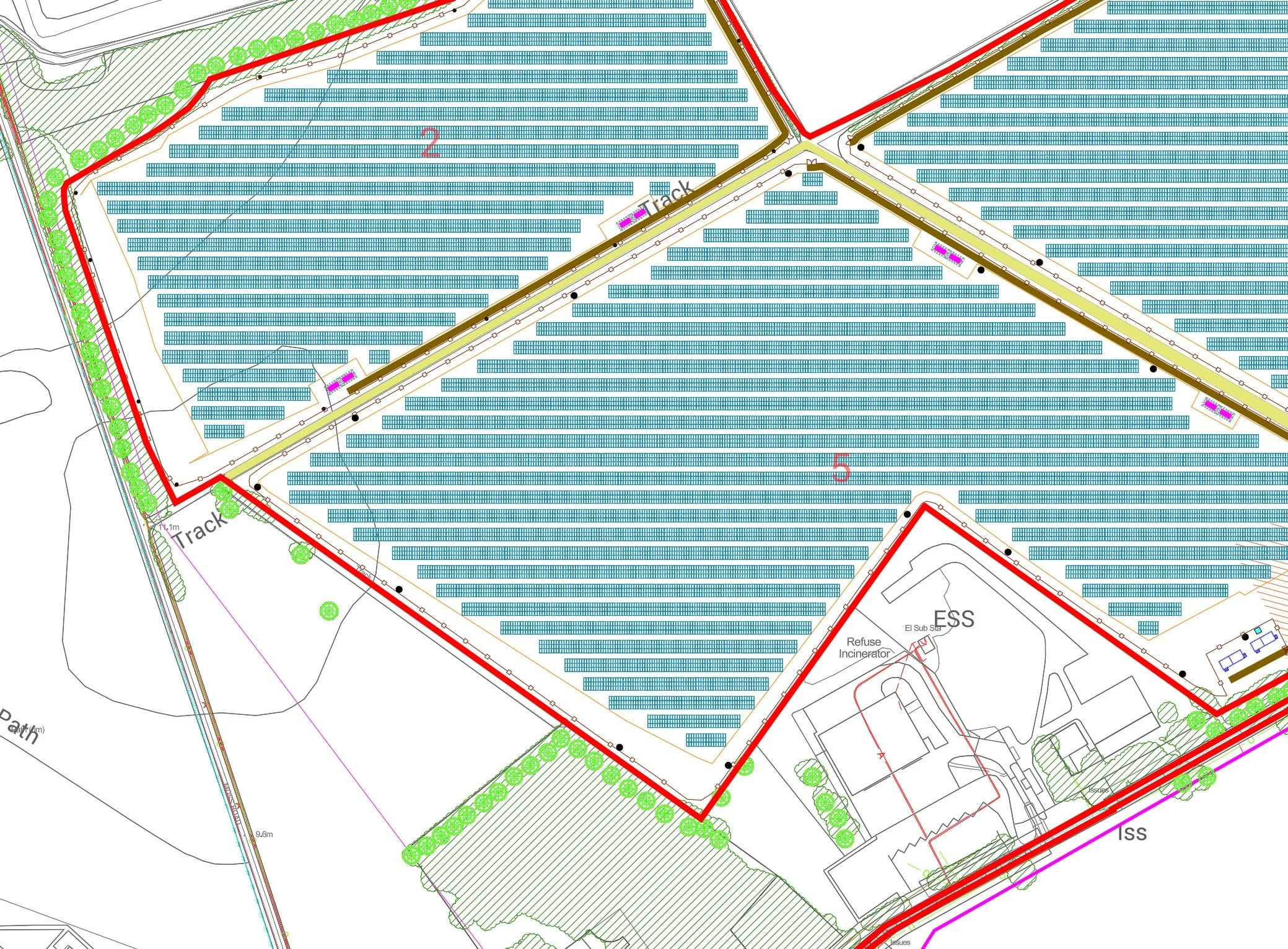
Mapping and site layout plans
Base mapping, site location plans, option plans, existing site layout information, red line boundaries, access and key site features where required.
Constraints and receptor mapping
Mapping of land constraints, overhead lines, substations, public rights of way, pipelines, flood areas, telecoms and sensitive receptors.

Planning drawings and elevations
Contextual elevations, equipment sections, site infrastructure drawings and planning support visuals where required.

Site levels, access and fire-layout coordination
Planning-level review of site levels,0 access routes and BESS fire-layout requirements, with specialist input coordinated where required.
HOW IT WORKS
A structured route from project information to design direction
-

Project Inputs
Share land boundaries, grid information, topographical data, planning notes, project objectives, preferred technology and available site information.
-

Constraint Review
We review land conditions, boundaries, access, receptors, restrictions, grid context, infrastructure needs and information gaps.
-

Design Basis
We agree capacity targets, layout assumptions, modelling requirements, BESS or infrastructure assumptions, deliverables and the right design route.
-

Layout and Reporting
Our team develops concept layouts, performance assumptions, drawings, reports and supporting technical outputs for review.
-

Revision Support
Receive outputs ready for pricing, planning discussion, stakeholder review and further development, with revision support where agreed.
Have a utility-scale PV project ready for review?
Send us the project details, and we will help identify the right design stage and the next technical step.
STANDARDS & PROJECT REQUIREMENTS
Our design process considers the relevant electrical, grid, planning, fire safety, product, mapping and project delivery requirements for the scope of each utility-scale project.
Designed with grid, planning, fire and delivery requirements in mind
-
ENA G99 and G100
Generation connection and export limitation requirements considered according to project scale and network context.

-
IET / BS 7671
Electrical installation and wiring regulation requirements considered where relevant to the design scope.

-
BSI / BS EN / IEC
Applicable product, electrical and performance standards considered for project-specific requirements.

-
DNO / IDNO
Local network conditions, point of connection information and connection requirements considered during design.
-
Planning and environmental context
Planning notes, land use, access, receptors, sensitive areas and environmental constraints reviewed where relevant.
-
NFCC and BESS fire guidance
BESS layout, fire access, separation, emergency access and fire strategy considerations reviewed where relevant.

-
HSE / CDM
Design risk, construction access, maintenance and safety considerations included where relevant.

-
Manufacturer guidance
Equipment specific layout, electrical, warranty, tender and stakeholder requirements reviewed during design.

THE NORTCEL ADVANTAGE
Why utility-scale solar teams work with Nortcel
Nortcel gives project teams access to specialist solar design and engineering support without building every capability in house.




Large-site PV focus
Work with designers familiar with ground-mount layout, land constraints, grid context, performance assumptions, and stakeholder outputs.
Reduced engineering load
Keep senior engineers focused on critical decisions while Nortcel develops structured design outputs and supporting documentation.
Flexible development capacity
Add design support during feasibility, planning, FEED or tender peaks without carrying fixed internal headcount.
Faster project movement
Move through layout options, design assumptions and revisions quickly when land, grid, equipment or stakeholder requirements change.
Tender ready support
Strengthen EPC pricing and comparison with clearer layouts, design notes, schedules, electrical inputs and technical assumptions.
Clearer risk visibility
Identify constraints, assumptions, information gaps and design risks before they affect pricing, planning, grid or delivery.
CLIENT PROOF
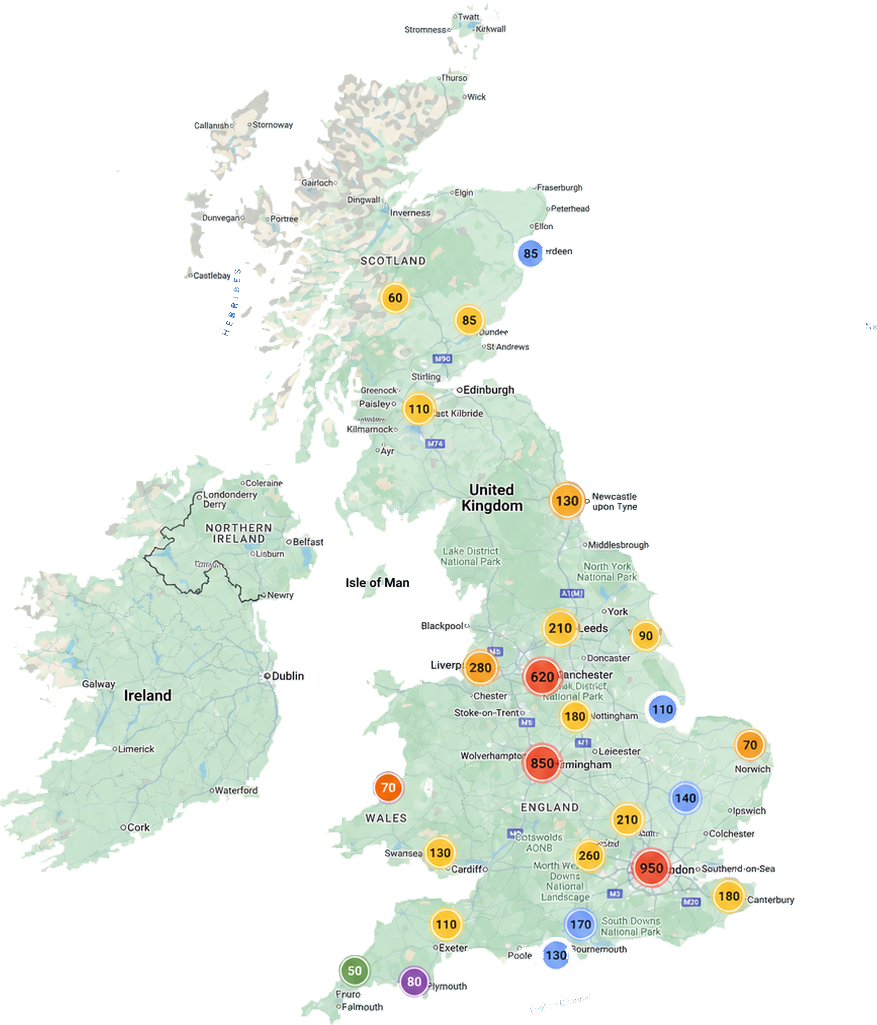
Trusted design support for utility-scale solar installation teams
3100+
designs completed
690+
MW designed
18+
long term partnerships
PROJECTS IN FOCUS
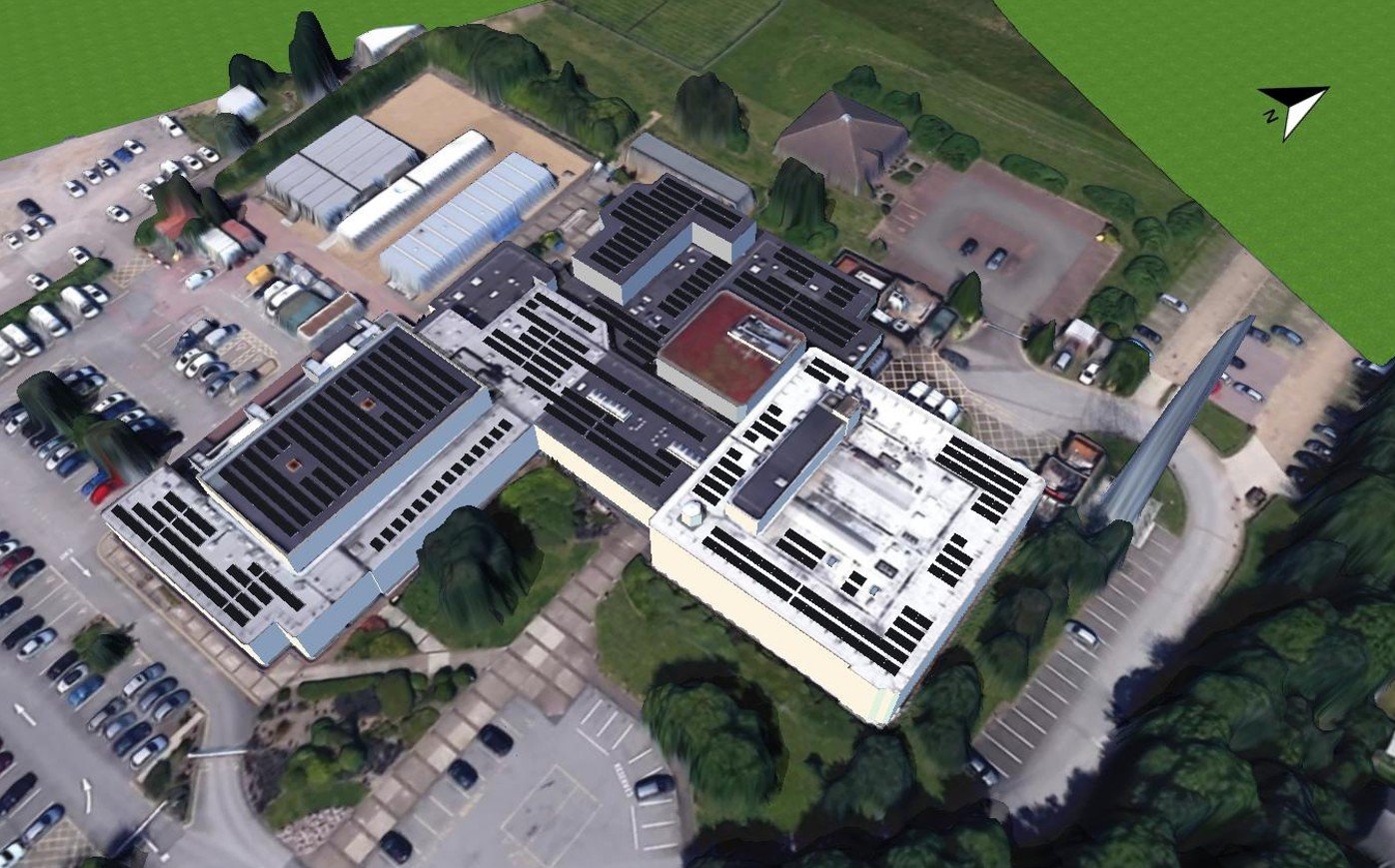
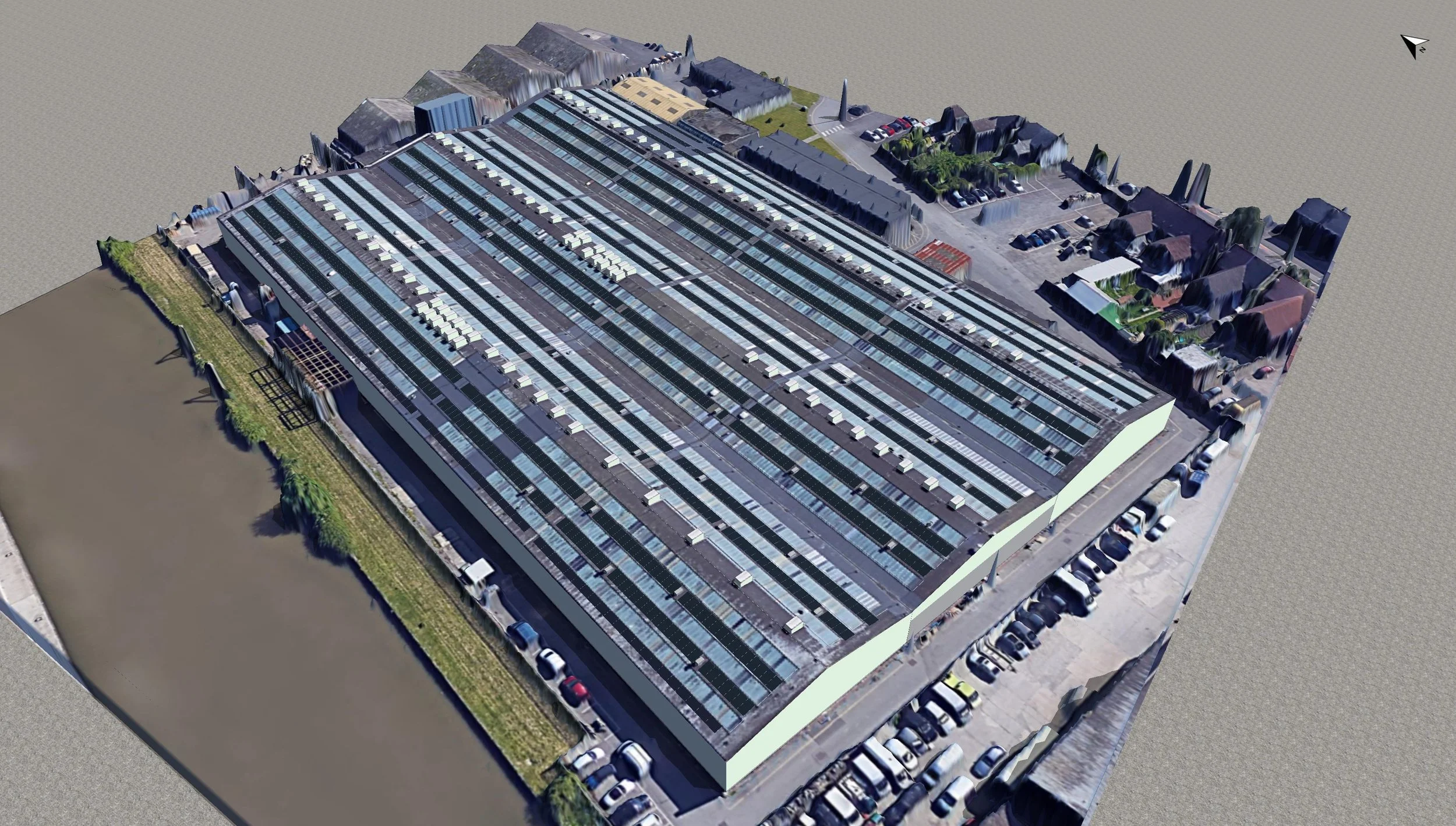
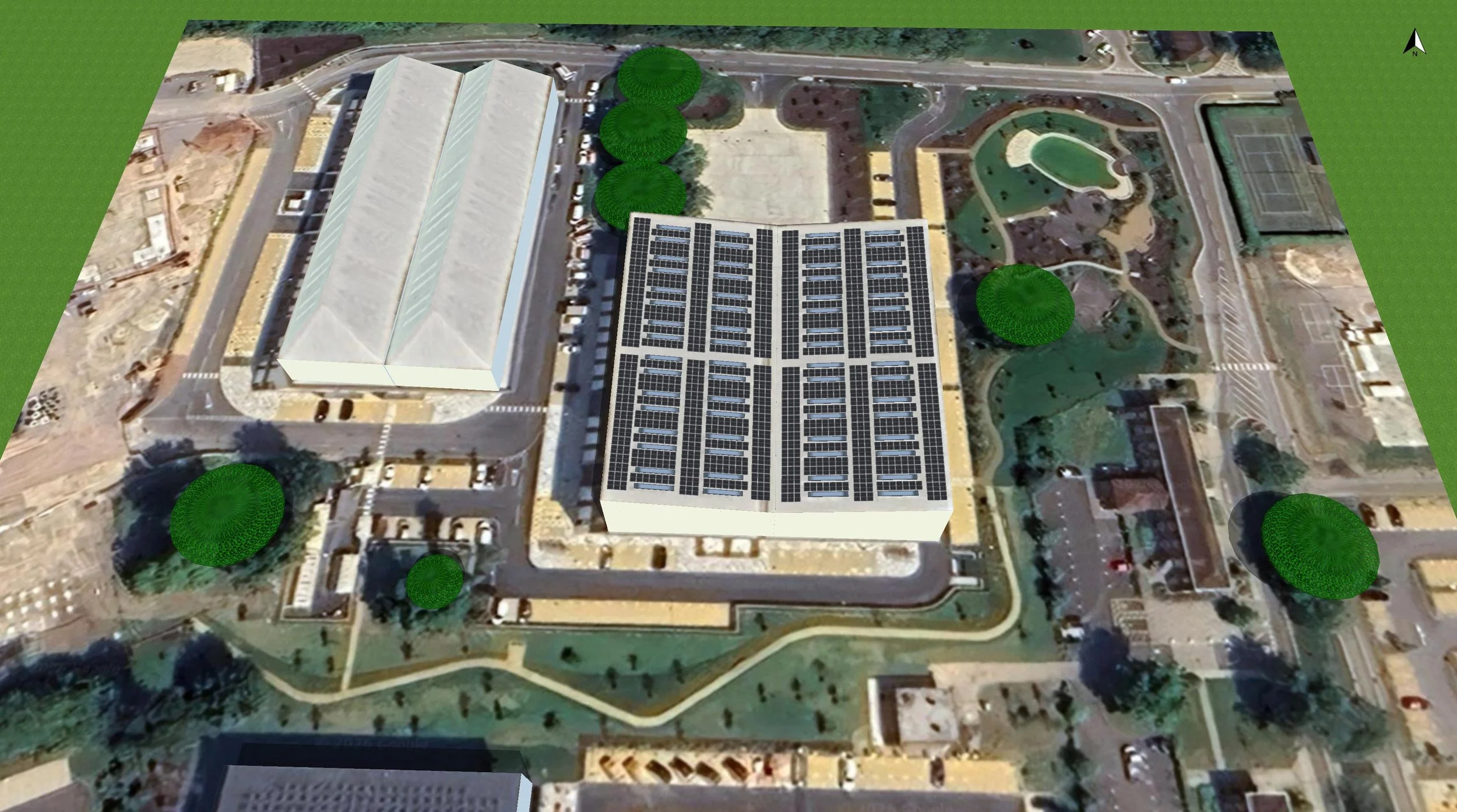
Selected project snapshots showing Nortcel’s work across solar PV design, project development, technical review and renewable energy engineering.
Nortcel’s Projects that deliver impact
Frequently asked questions
░
-
We support large scale solar PV projects, including multi megawatt developments and high capacity design workloads.
Our role can vary depending on the project stage. We can assist with early feasibility, proposal level layouts, PPA level designs, investor level design packs, design optimisation, technical review, performance modelling and detailed design development.
This service is suited to developers, EPCs, investors and project teams who need reliable design capacity with strong technical attention.
-
Yes. Early stage feasibility is often where good design input creates the most value.
We can help assess land use, likely capacity, layout strategy, access constraints, spacing, shading, yield expectations and practical project limitations. This helps developers and stakeholders understand whether a site is worth progressing before investing heavily in later stage work.
Good feasibility work reduces uncertainty and supports better commercial decisions.
-
Yes. Optimisation is a key part of utility scale design.
We consider energy yield, land use efficiency, row spacing, shading, access routes, equipment strategy, terrain limitations and practical construction requirements. The best design is not always the one with the highest theoretical capacity. It is the one that balances performance, buildability, cost and long term project value.
This is important for developers and EPCs who need designs that can survive technical review, due diligence and delivery pressure.
-
Yes. We can work as part of an EPC or developer team and support projects at different levels of involvement.
We can provide additional design capacity, replace an internal designer, support specific technical packages, review existing work or help manage larger project pipelines. We are used to adapting to client standards, communication structures and commercial priorities.
For long term partners, we become faster and more efficient as we learn the way your team works.
-
We support due diligence by providing clear, realistic and technically considered design information.
This can include reviewing design assumptions, assessing layout quality, checking performance expectations, identifying risks and validating whether the proposed system is realistic. Independent and structured technical input can help investors, developers and project owners make better decisions.
The goal is to identify issues early, before they become expensive or delay the project.
-
Pricing depends on project size, stage, complexity, required detail, number of design scenarios and review requirements.
A feasibility layout will be priced differently from a PPA level design, investor level pack or detailed design package. Utility scale work often requires careful attention because design decisions can affect land use, project economics, investment confidence and construction planning.
We price based on the level of technical responsibility, responsiveness and support required.
-
We use structured task and project management processes to keep work organised and transparent.
Each project can be broken down into tasks, responsibilities, deadlines and review stages. Clients can be given access to the project system so they can track progress, review status and see what information is needed.
This is valuable for clients with active pipelines, multiple sites or fast moving development schedules.

Ready to move a larger solar or hybrid project forward?
Share your land information, grid context, planning notes, BESS requirements or current design pack. We will review your requirements and help define the right design route for the next project stage.